We reduce the impact of your energy consumption on your bottom line and the planet
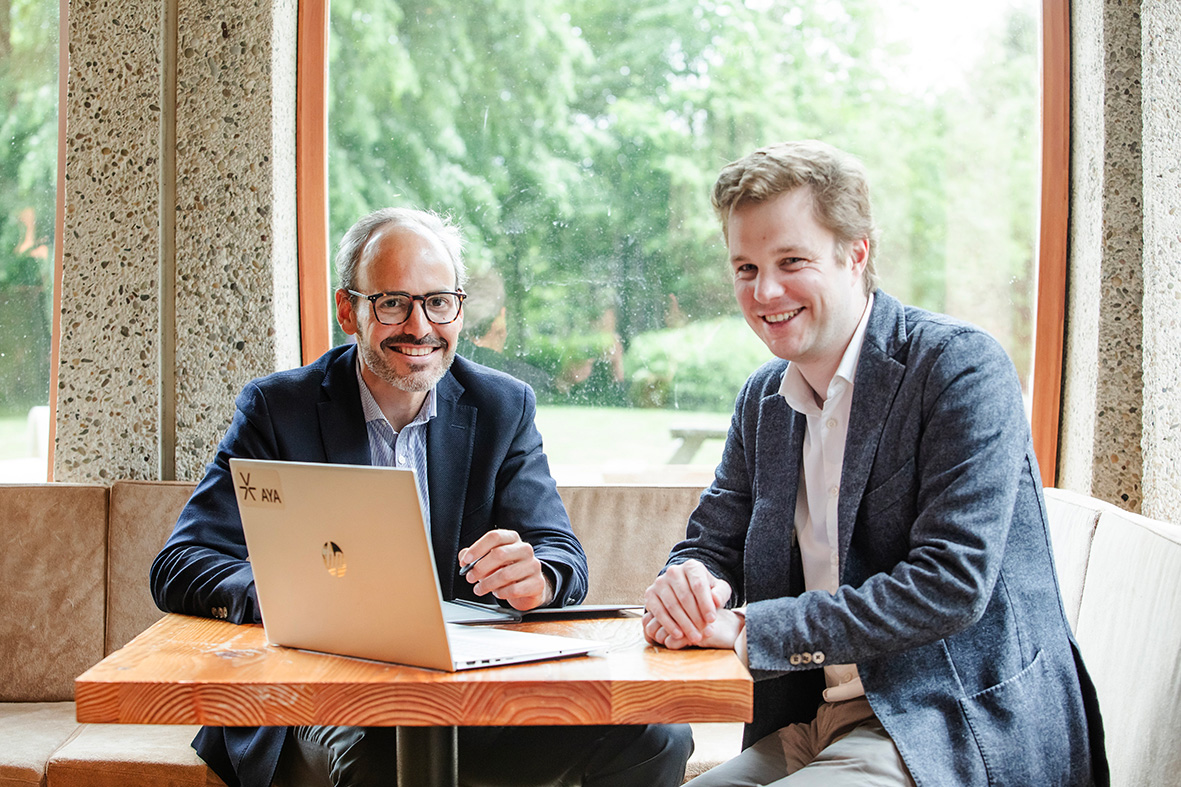
At AYA, we provide a unique, coherent approach for energy-intensive industries in Europe. ‘Those who do not embrace the green and sustainable energy transition will quite literally face the financial consequences. During the energy crisis, the energy market has evolved so significantly that all the risks of price fluctuations have shifted to the consumer’, said Louis Langerock and Alex Indekeu, AYA’s co-CEOs.

Solar and wind power are the cheapest sources of energy, and coupled with stricter standards, the share of renewables is growing exponentially. This evolution, along with increased electrification and numerous other factors, is causing stronger price fluctuations in the energy market.
‘Today, the best solution to hedge the risks of these price fluctuations lies in a smart interplay between energy solutions and exploiting market opportunities. The best combination varies from company to company. Solar panels, batteries, charging stations, smart control, wind turbines… all energy solutions are possible.’
ENERGY MANAGERS
‘Together with our customers, our Energy Managers elaborate a tailor-made strategic roadmap. They also provide funding opportunities at each step in the plan and roll up their sleeves to implement the roadmap so that the projects get realised. We monitor the long-term effects of the completed projects in terms of CO₂ and financial savings. We actually ‘unburden’ our client completely in terms of energy.’
AYA manages three interacting energy flows. Firstly, there is on-site energy production, which includes options such as solar panels, wind energy, energy storage, and improving energy efficiency. Secondly, there is the off-site aspect, where green energy is sourced directly from a renewable energy producer through a Power Purchase Agreement (PPA). Finally, traditional contracts are scrutinised to ensure they are optimal for self-generated energy production and take into account the company’s consumption profile, allowing the company to benefit from favorable energy prices.
‘By combining these three energy flows, we protect our customers from the growing volatility of the energy market while allowing them to benefit financially.’
‘We coordinate the entire process, from finding the most suitable energy suppliers to implementing the energy solutions on-site. Our multisource energy platform calculates what is needed, where, and when. We can even create simulations to demonstrate the impact of an investment on energy consumption and cost savings. This allows the customer to see the effects of a decision before it is made.’